

Abraham’s Boys: A Dracula Story Review
Heads up: This article includes affiliate widgets for JustWatch. I may earn a commission if you sign up for a streaming service or make a purchase through these links.
If you don’t see logos for Amazon, Apple TV, Fandango at Home, Plex, etc., please turn off your ad blocker or add this website to your allowlist.
If you’re on a mobile device, please click “view this content in the original post.”
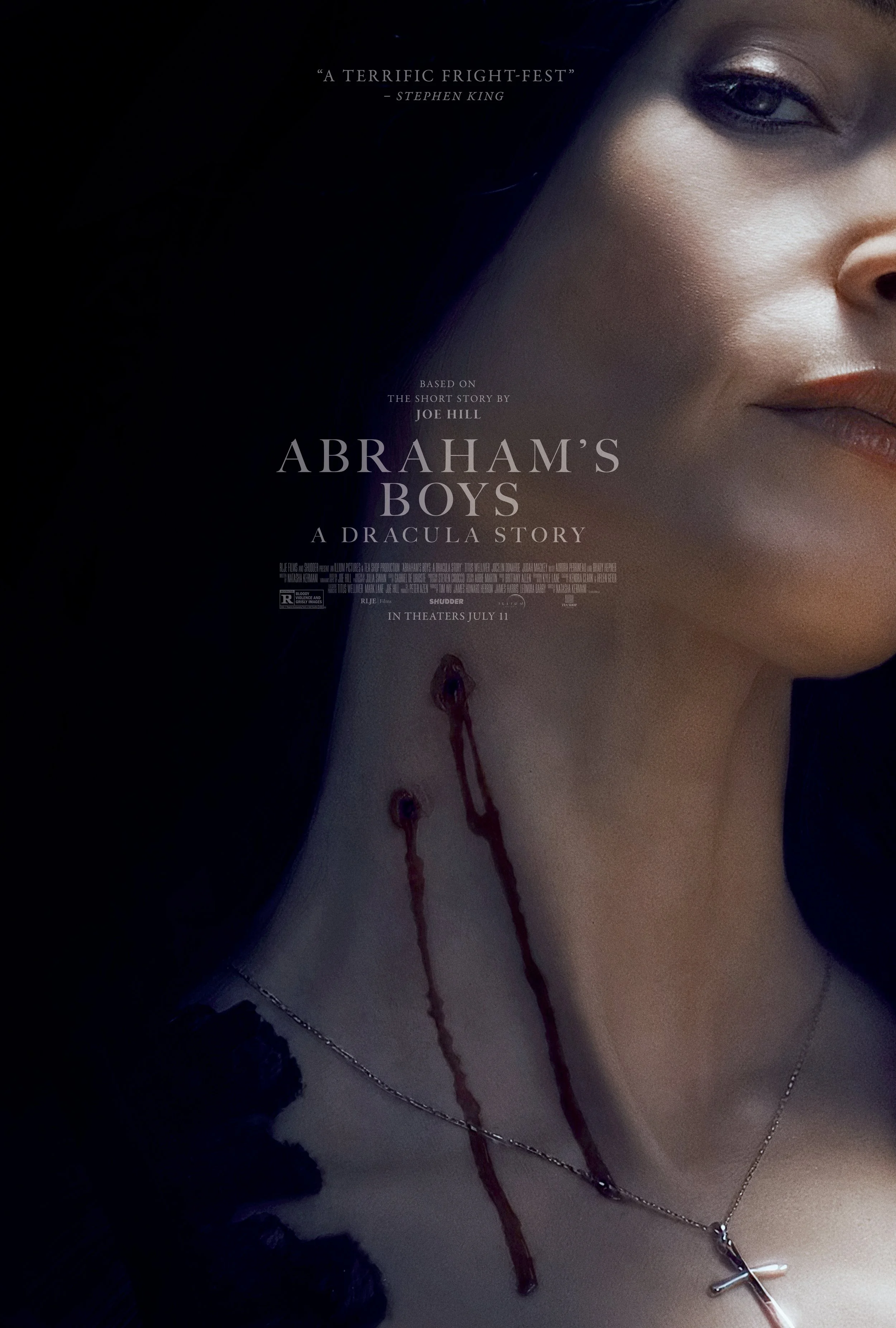
Poster for Abraham’s Boys: A Dracula Story.
Image courtesy of RLJE Films & Shudder
Introduction
For over a century, the story of Count Dracula, Abraham Van Helsing, and Mina Harker has been told in a multitude of ways. The mythos has proven remarkably resilient, adapting to fit the fears and fascinations of each new generation. Chances are, you’ve seen at least one of them, whether it’s one of the Universal films produced from 1931 to 1948, the lavishly gothic Hammer Horror films, any of the expressionistic Nosferatu films (which just received a remake last year), the family-friendly Hotel Transylvania movies, the numerous parodies, Francis Ford Coppola’s 1992 operatic epic Bram Stoker’s Dracula, or a modern action-horror reimagining like Van Helsing, Dracula Untold, Renfield, or The Last Voyage of the Demeter.
Abraham’s Boys: A Dracula Story is the latest entry into this sprawling canon, a gothic horror film that aims to find a new approach to the well-trodden mythos. Based on Joe Hill’s short story, the film is a follow-up of sorts to Bram Stoker’s novel, reimagining what happens to Van Helsing after his famous hunt. Written and directed by Natasha Kermani (Lucky, V/H/S/85), the film shifts the focus away from the legendary vampire hunter to his sons, exploring the dark legacy they are set to inherit.
While the premise is ripe for a tense, psychological gothic horror film, the result is visually striking but narratively undercooked. I went in curious to see how Kermani might offer her take on such a familiar tale, but left wishing the film had delved deeper into its own ideas.
Plot Summary
Set in 19th-century rural California and filmed on location, the story follows brothers Max (Brady Hepner) and Rudy Van Helsing (Judah Mackey), raised under the ruthless and oppressive rule of their father, Abraham (Titus Welliver). Isolated from the outside world, they grow up in a house filled with unspoken rules and unanswered questions. Unaware of their father’s dark and violent past, the boys struggle to understand his paranoia and increasingly erratic behavior.
So, when they uncover the truth behind their father’s history with Dracula, they are forced to confront a terrifying family inheritance they were never meant to bear. The discovery pushes them into a world where myth bleeds into reality, and where their father’s crusade against monsters has left scars that run deeper than they could have imagined.
Themes and Tone
Kermani has described the film as a chance to "reexamine how we think of Heroes and Monsters,” telling the story “through the lens of two young minds.” The setup invites compelling questions, such as, can you fight monsters without becoming one yourself? How do children interpret a parent’s trauma when they only see its aftershocks? Unfortunately, the film struggles to explore this dichotomy with any real depth.
There are moments where the theme nearly clicks, such as when the boys begin to piece together fragments of their father’s past and realize the wrathful father they know once saved a town from a similar tyrannical rule. However, these moments are fleeting. I felt the weight of its ideas for a moment before the film moved on, unwilling to live in the morally gray world it creates. For a story about legacy, fear, and the blurry line between protection and control, the film often stops short of engaging with those ideas in a meaningful way.
Performances
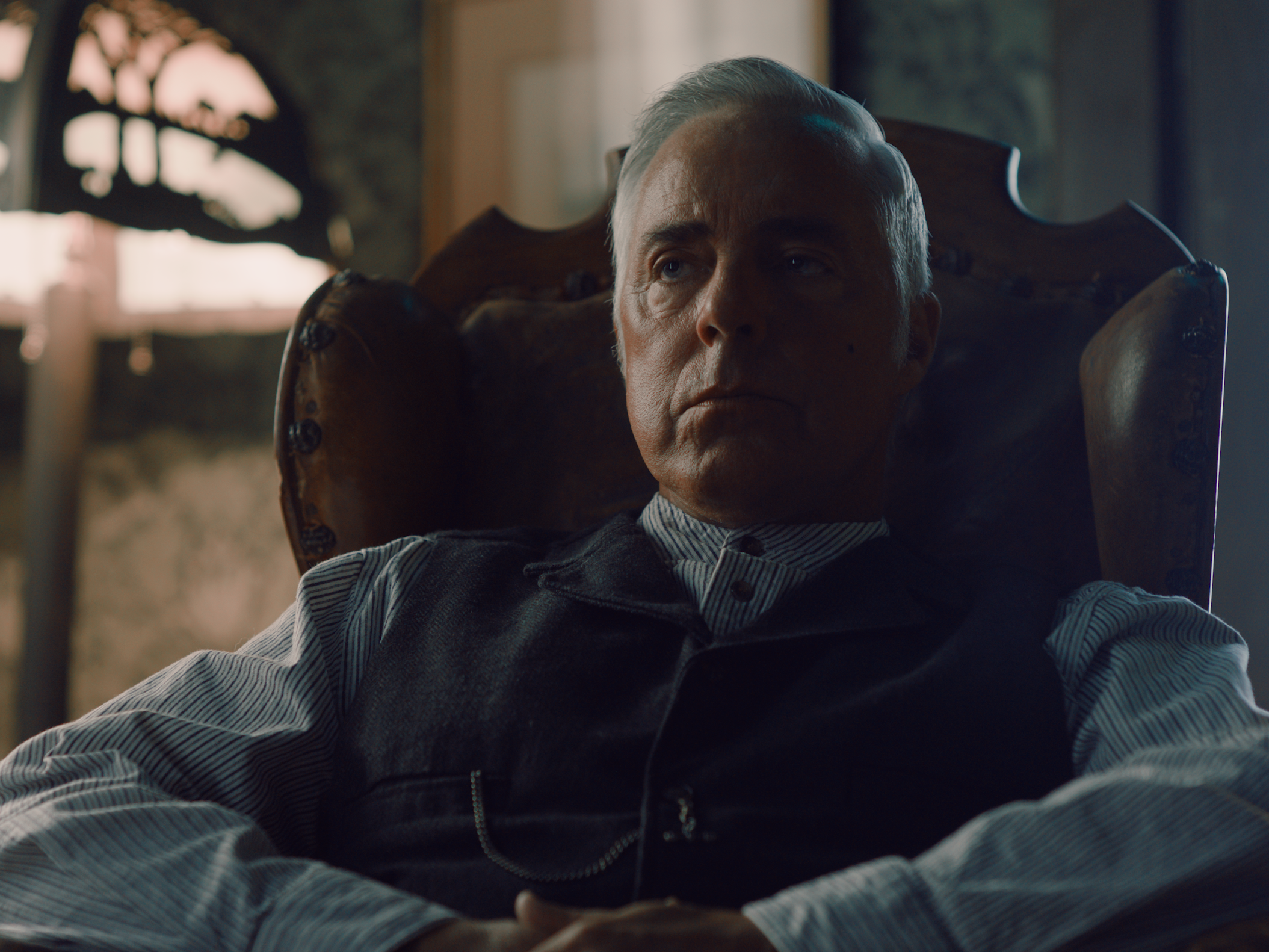
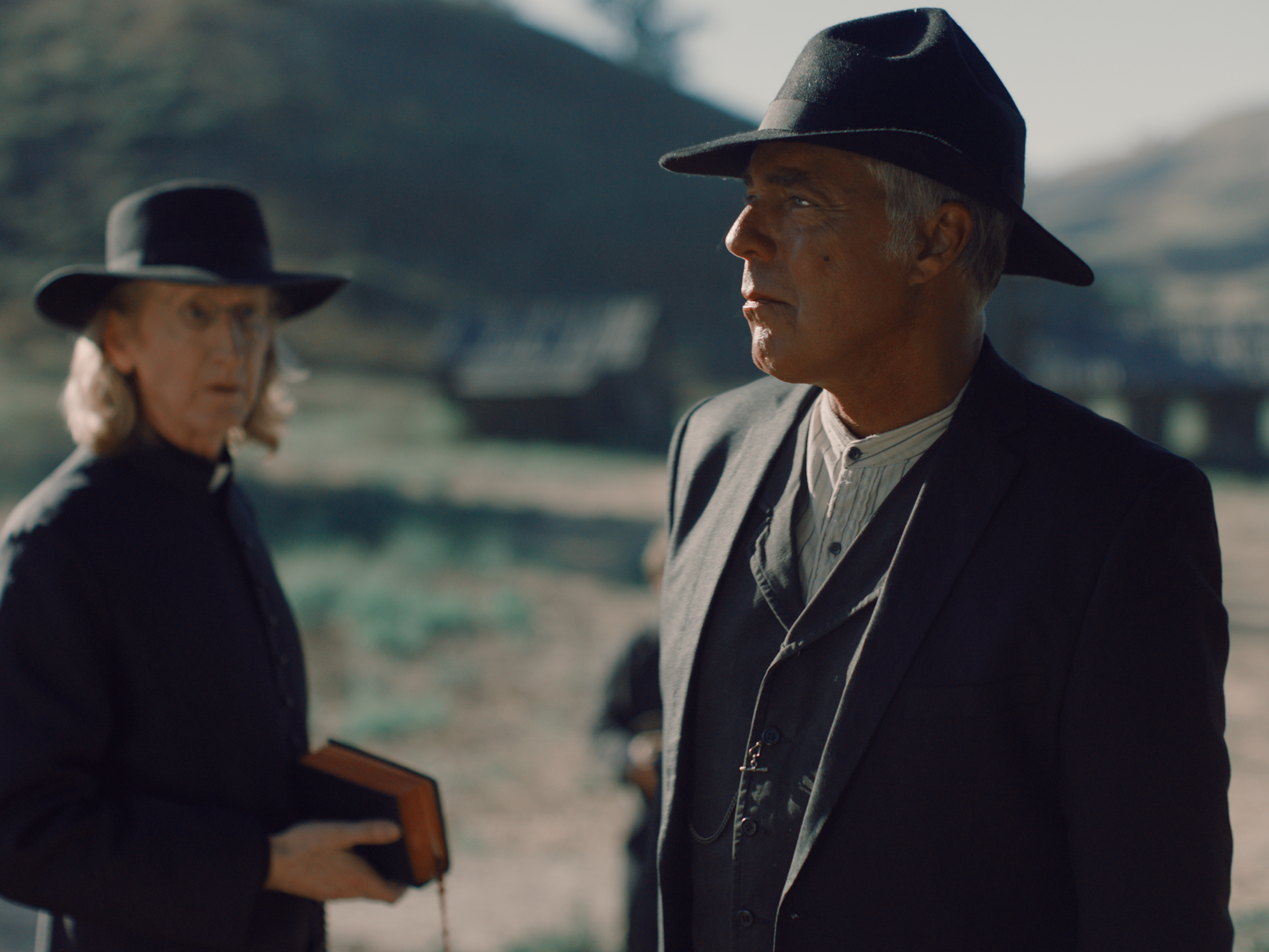
Titus Welliver as Abraham Van Helsing in Abraham’s Boys: A Dracula Story.
Image courtesy of RLJE Films & Shudder
Titus Welliver, best known for his nuanced portrayals of tough, damaged men in series such as Bosch and Lost, brings his usual gravitas to Abraham Van Helsing. His performance hints at decades of unspoken history, whether it’s his haunted eyes, rigid body language, or controlled voice that occasionally erupts into rage. While Welliver is always a joy onscreen, the script constrains him to familiar “bad dad” beats we’ve seen in films like The Stepfather, making his paranoia repetitive rather than revelatory. It’s the kind of role that could have easily ended up as one of my favorite performances of the year, but here it remains one-note.
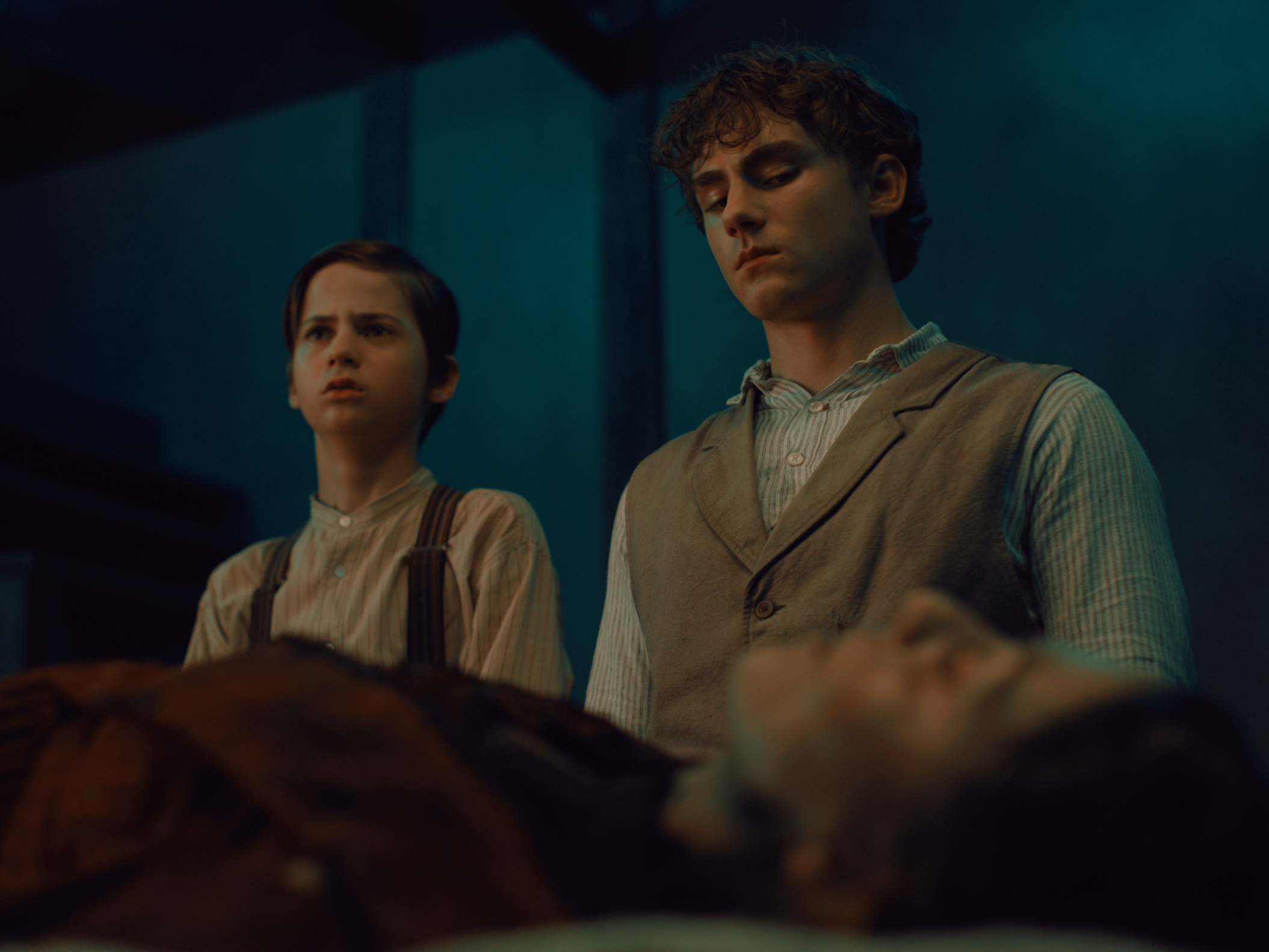
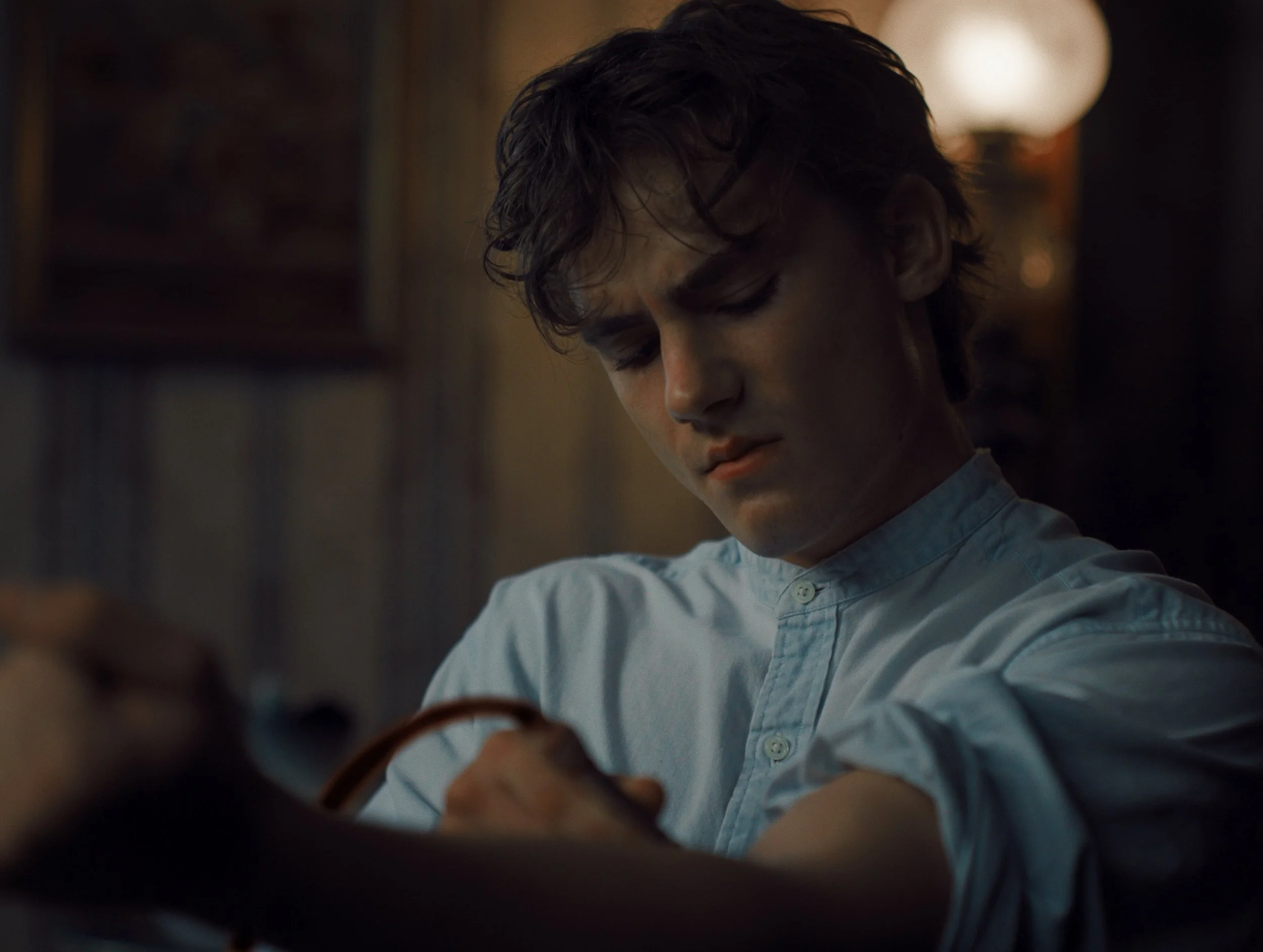
Brady Hepner and Judah Mackey as Max and Rudy Van Helsing in Abraham’s Boys: A Dracula Story.
Image courtesy of RLJE Films & Shudder
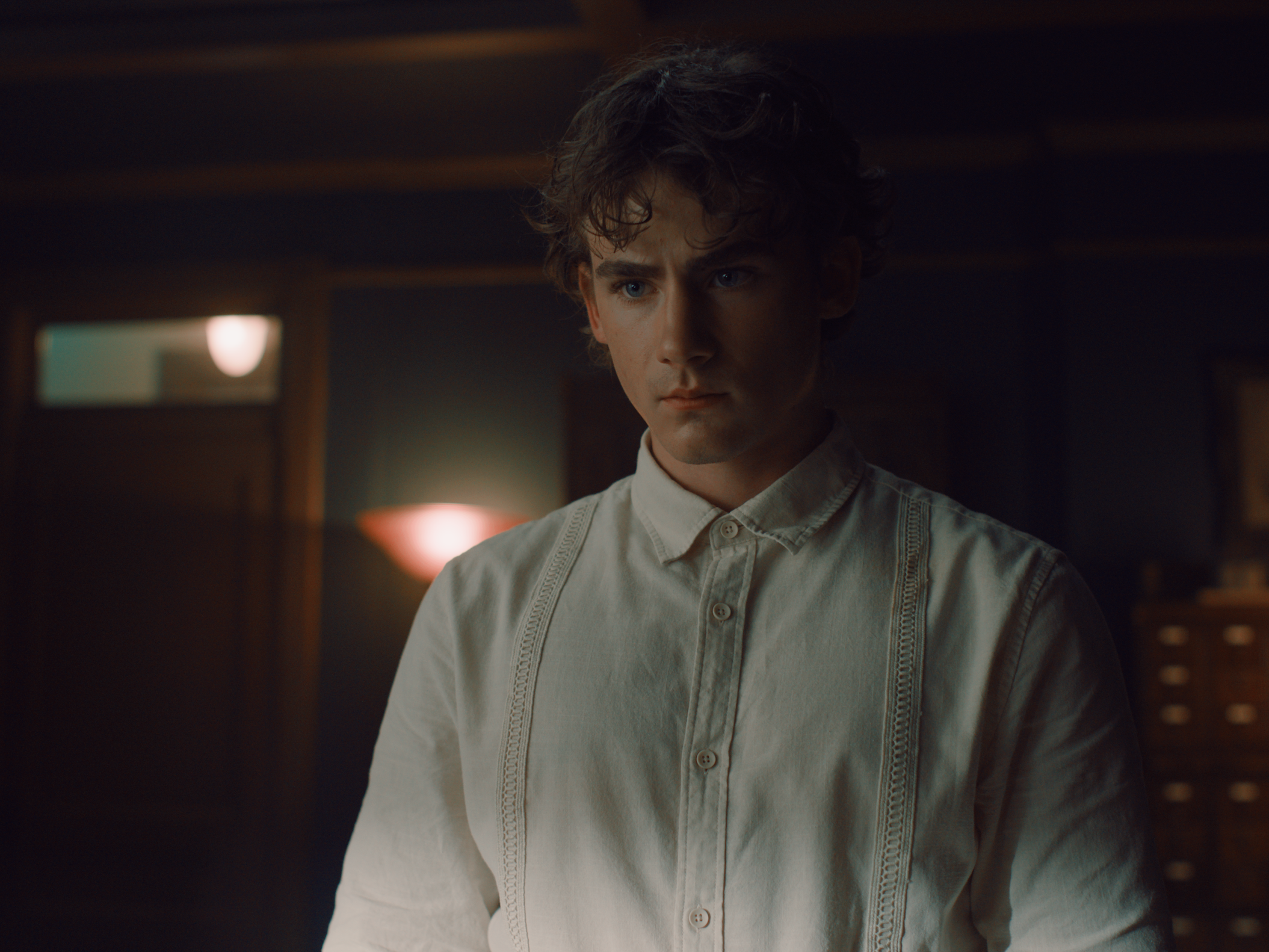
As the titular boys, Hepner (The Holdovers) and Mackey (The Young and the Restless) shoulder much of the film’s emotional weight. Both are relative newcomers to the industry and horror features, and while they deliver earnest performances, their characters are written with almost no agency. The boys spend much of the film reacting to events rather than causing them, which limits the impact of their performances. Mackey, in particular, has shown in his past roles, such as The Morning Show and Perry Mason, that he can bring nuance to youthful characters. Hepner also possesses a natural screen presence, as evident in The Black Phone. Here, both are held back by a script that is equally uninterested in exploring their psyche.
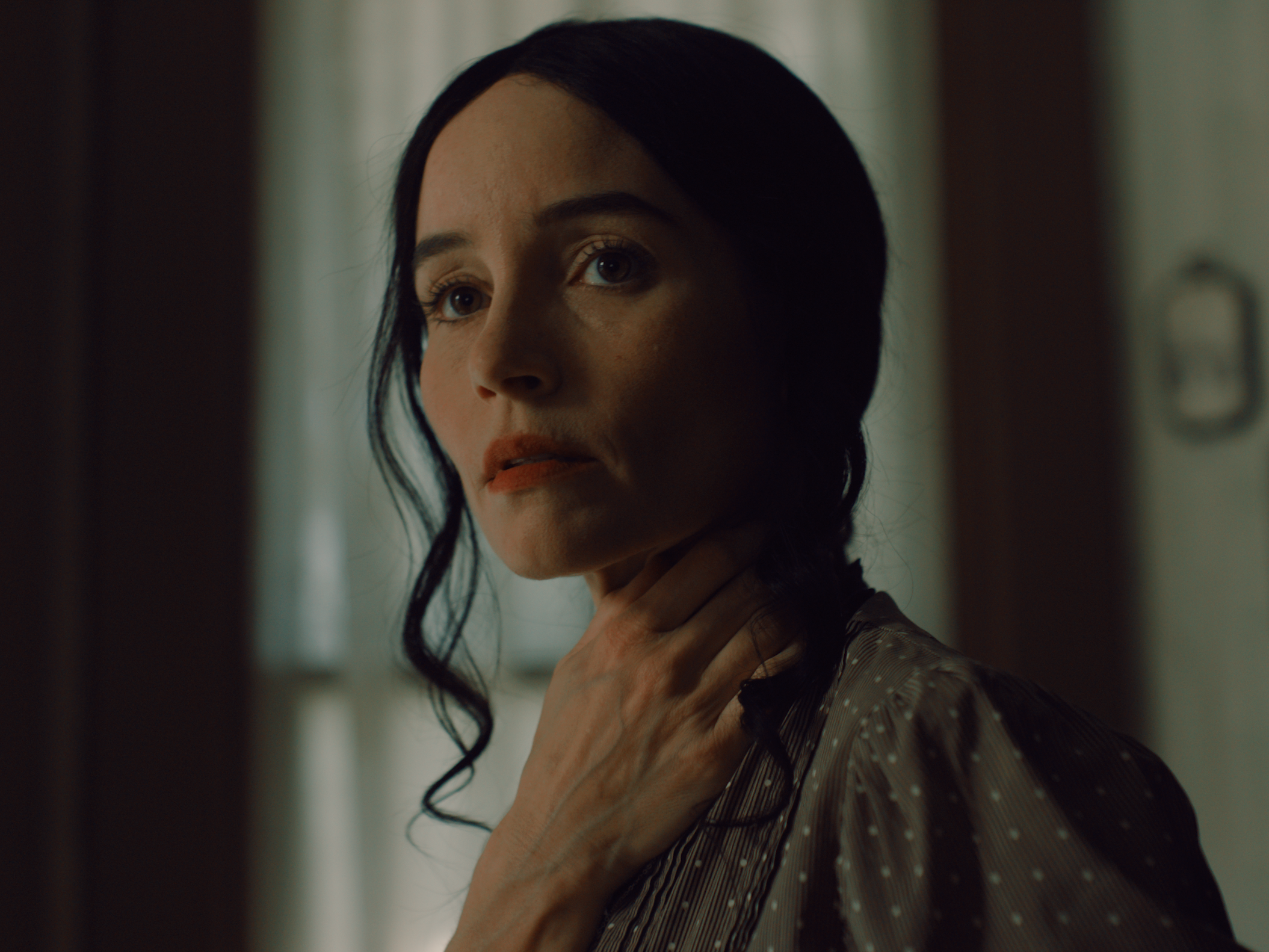
Jocelin Donahue as Mina Van Helsing in Abraham’s Boys: A Dracula Story.
Image courtesy of RLJE Films & Shudder
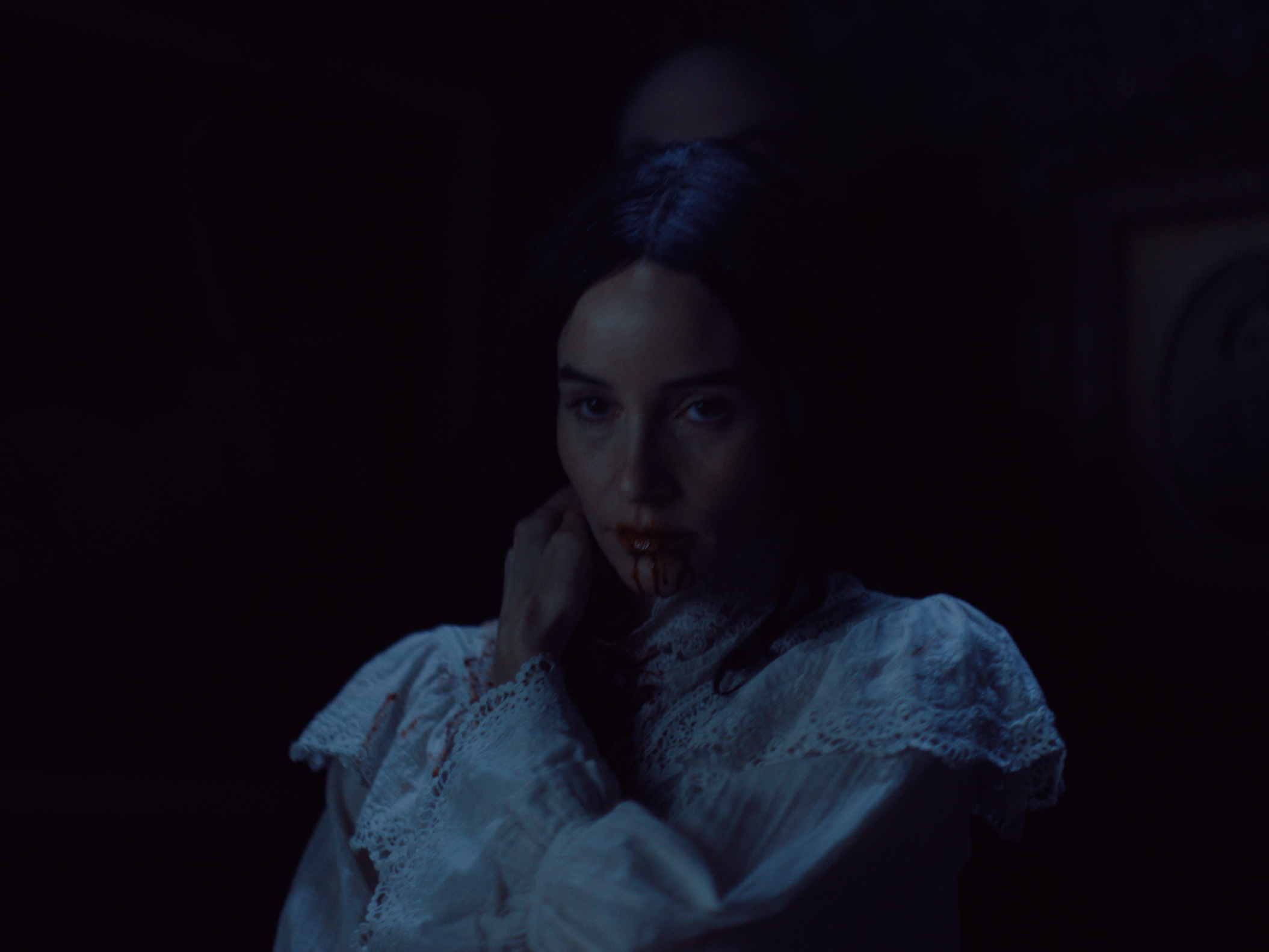
Supporting them is Jocelin Donahue (The House of the Devil, Doctor Sleep), who is given very little to do as Mina. It’s a shame, as the character of Mina Harker in Stoker’s novel is one of immense strength and agency. Here, she is a ghost of her former self. I wish I could say more about her performance, but she is rarely on screen, and when she is, she is given zero depth. She spends most of her brief screen time either cooking or lying in bed, so it’s hard to fault Jocelin for her performance.
Direction and Writing
Writer and director Natasha Kermani is no stranger to the horror genre, having previously directed Lucky and a segment for V/H/S/85. Here, she adapts Joe Hill’s short story, but the transition from page to an 89-minute feature proves to be too much of a challenge. On the page, Abraham’s Boys is a brief, unsettling meditation on fear and family. On screen, those same beats feel stretched to their absolute limit, with filler sequences that bring the story’s momentum to a halt and sap any urgency away. The pacing wavers with a first act that builds slowly, but the middle act meanders, and by the time the climax arrives, the tension has already deflated.
There’s also a missed opportunity in how the narrative relays information to the audience. In theory, the slow drip of clues could build suspense. In practice, the film reveals too little too late, and without a satisfying emotional payoff.
Cinematography
Jocelin Donahue as Mina Van Helsing in Abraham’s Boys: A Dracula Story.
Image courtesy of RLJE Films & Shudder
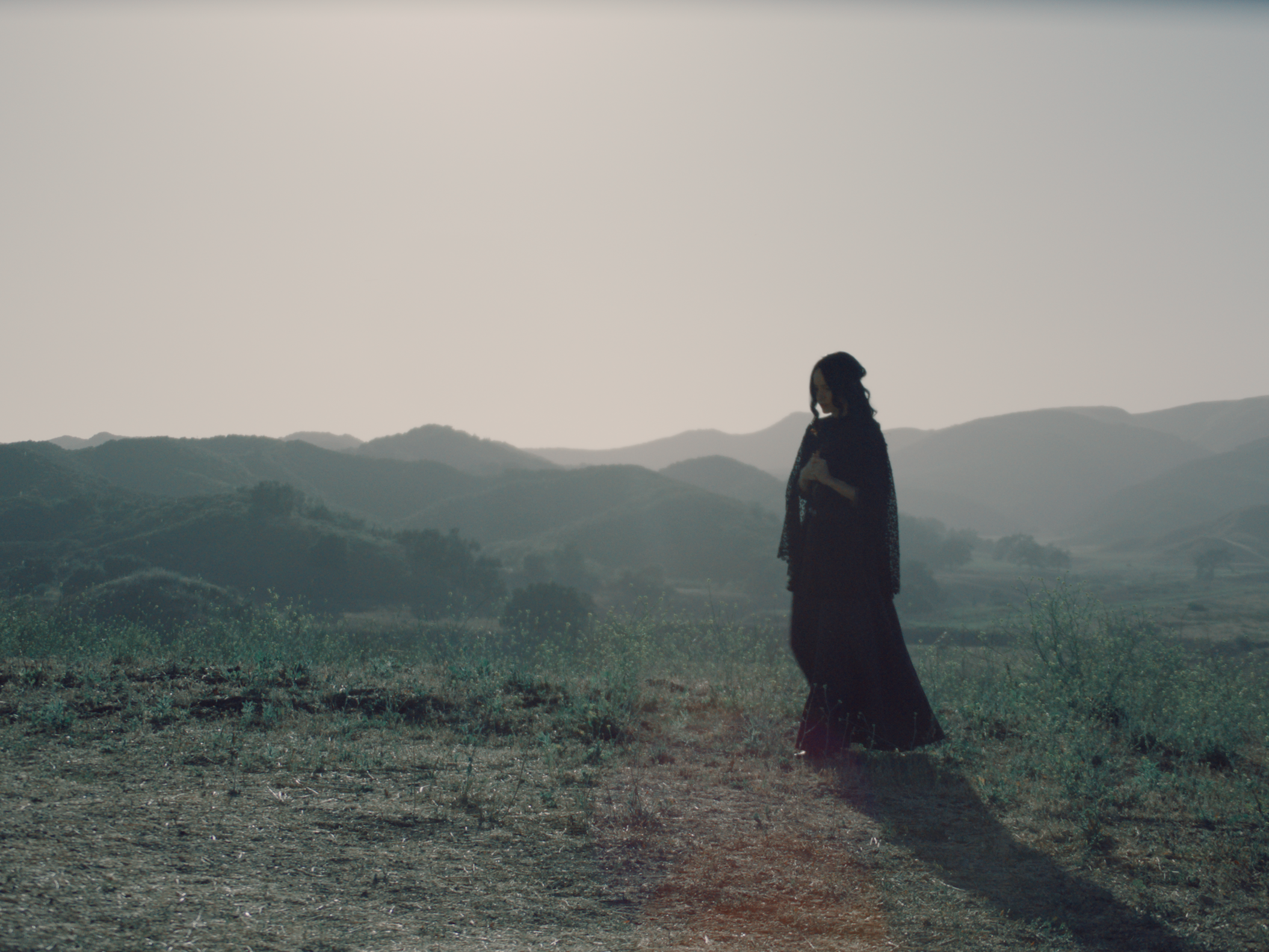
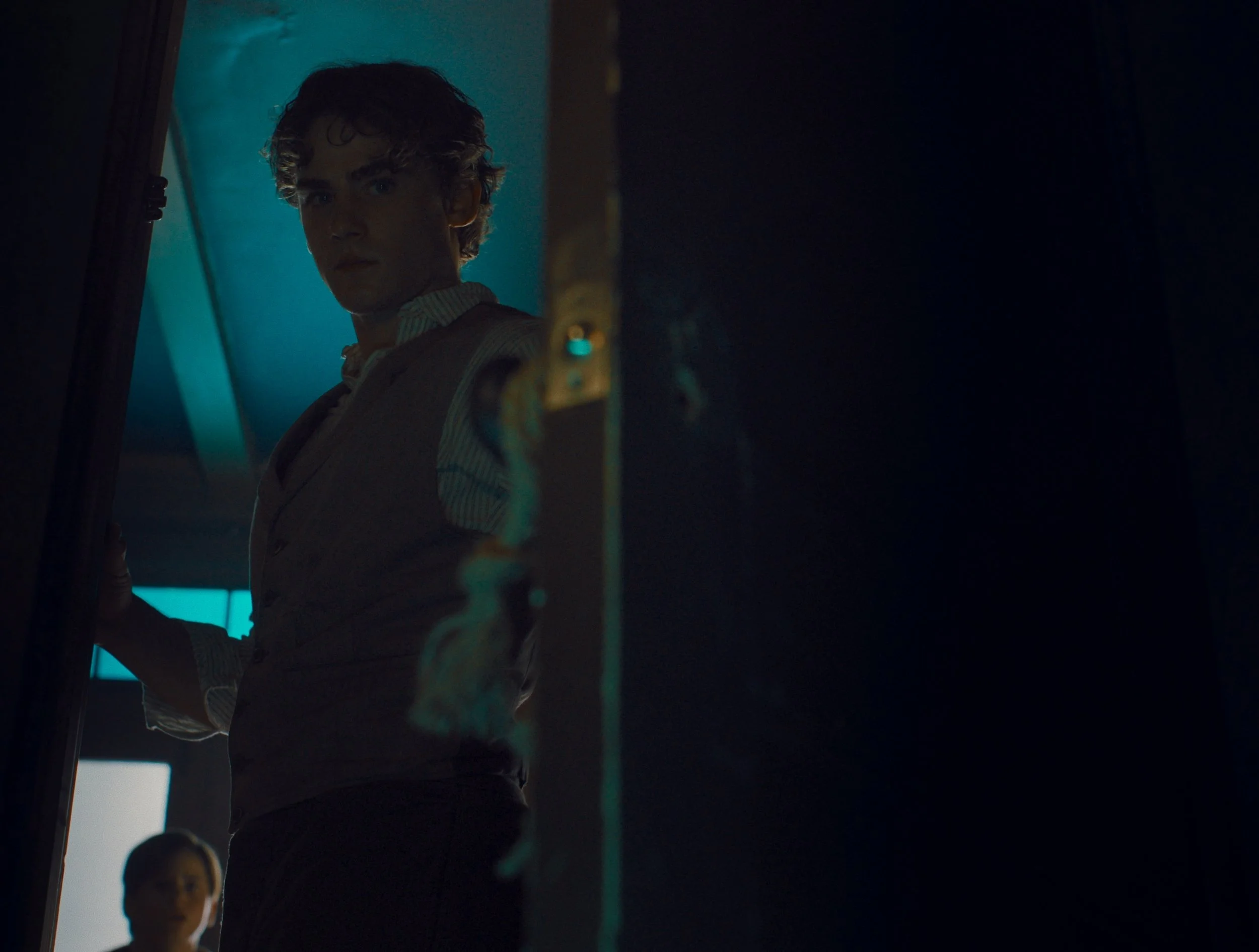
Julia Swain’s cinematography is easily one of the film’s strongest elements. The shot compositions are meticulously framed and lit, evoking painterly stillness and capturing the natural beauty of rural California. However, these gorgeous shots feel at odds with the horror elements, creating a sense that we’re watching a period family drama with occasional horror elements. The beauty feels static, observing the horror from a safe distance rather than plunging the audience into it.
Editing
The editing further amplifies the film’s languid feel. Under the guidance of Gabriel De Urioste, scenes are often allowed to breathe for far too long, a choice that unfortunately dissolves tension rather than heightens it. Conversations hang in the air without impact, and shots of the desolate landscape, while beautiful, are repeated to the point of tedium. The editing lacks the sharp, rhythmic precision necessary to build suspense, contributing significantly to the story’s sluggish pace.
Production Design
Steven Cirocco’s production design is committed to a doom-and-gloom aesthetic, featuring dimly lit interiors, weathered wood, and an ever-present sense of decay. Yet the spaces lack a distinctive personality. It’s a shame, given that a more lived-in, idiosyncratic house or location could have amplified the sense of unease.
Music and Sound
Brittany Allen’s score creates an atmosphere of dread, layering somber strings and low percussion to match the family’s bleak existence. However, the score is rarely terrifying or memorable.
The sound design, while competent, relies heavily on the score to convey the mood, rather than utilizing environmental cues such as creaking floorboards, distant howls, or muffled whispers to evoke a sense of unease. In a film so concerned with paranoia, a richer soundscape would have worked wonders to tell the story.
Overall Impression and Rating
Abraham’s Boys: A Dracula Story has everything it needs to provide audiences with a fresh, intimate spin on Dracula lore, thanks to strong source material, a talented cast, and a gifted crew. Yet, the underdeveloped script and sluggish pacing leave it feeling like a missed opportunity. There were moments where I could see the story it wanted to be, but it never quite came alive. It’s a gothic horror film with admirable ambitions, but one that ultimately reads like a footnote rather than a new chapter in the legend of Dracula.
★★☆☆☆ (2/5 stars)
Where to Watch Abraham’s Boys: A Dracula Story

Abraham’s Boys: A Dracula Story is now available to rent or buy on demand.